
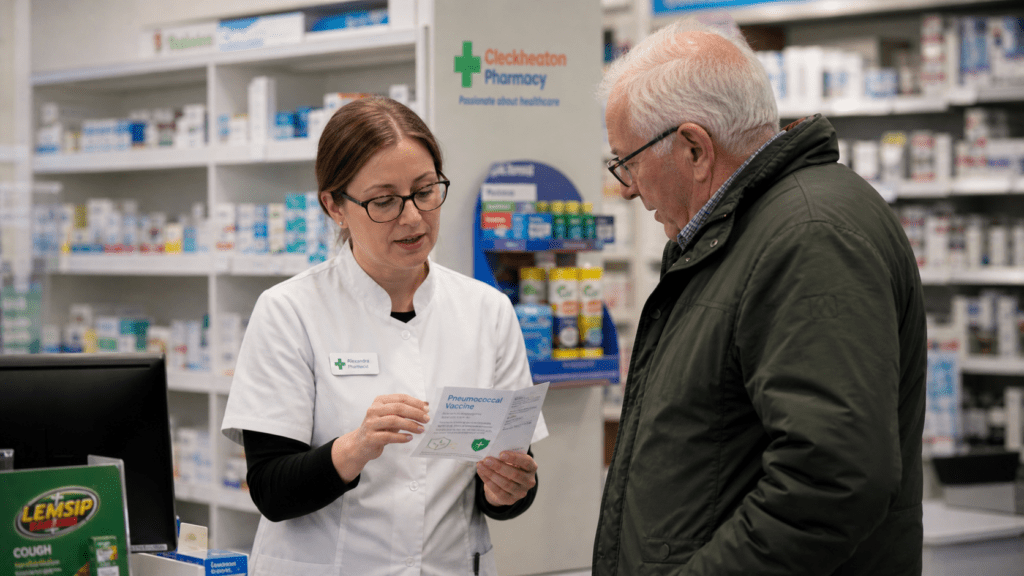
| TL;DR Protecting yourself against serious infections like pneumonia is vital. Our guide explains how a pneumococcal vaccination pharmacy service helps eligible groups stay healthy. Visit Cleckheaton Pharmacy for expert local healthcare advice. |
Respiratory health is a priority for many residents across West Yorkshire, especially as we navigate the colder months or manage long-term health conditions. One of the most effective ways to safeguard your wellbeing is through the pneumococcal vaccine. This jab protects against several types of bacteria that can cause life-threatening illnesses, such as pneumonia, sepsis, and meningitis.
At Cleckheaton Pharmacy, we understand that navigating vaccination schedules can feel overwhelming. Whether you are searching for a pneumococcal vaccination pharmacy service for yourself or a loved one, this guide will explain who is at risk, how the vaccine works, and how you can access protection right here in the heart of Cleckheaton.
What is Pneumococcal Disease?
Pneumococcal disease is an umbrella term for infections caused by the bacterium Streptococcus pneumoniae. While these bacteria often live harmlessly in the back of the nose and throat, they can migrate to other parts of the body, leading to serious complications.
There are two main categories of the disease:
- Non-invasive: Infections like sinusitis or middle ear infections (otitis media), which are common but usually less severe.
- Invasive Pneumococcal Disease (IPD): This occurs when the bacteria enter parts of the body that are normally germ-free, such as the blood (sepsis) or the brain’s lining (meningitis).
According to NHS guidance on the pneumococcal vaccine, the jab is the best way to prevent these serious infections, which can result in hospitalisation or permanent health issues.
Who is at Risk?
The risk of becoming seriously ill from a pneumococcal infection increases based on age and underlying health status. The UK’s national immunisation programme identifies three primary groups who should receive the vaccine:
1. Babies and Young Children
Infants are particularly vulnerable because their immune systems are still developing. The routine schedule usually involves a primary dose at 16 weeks and a booster at one year.
2. Adults Aged 65 and Over
As we age, our immune systems naturally become less effective at fighting off bacterial infections. For most adults in this age bracket, a single “one-off” dose provides long-term protection.
3. People with Long-Term Health Conditions
You may be eligible for the vaccine if you are aged 2 to 64 and live with specific health concerns, including:
- Chronic respiratory diseases like COPD or severe asthma.
- Heart conditions such as heart failure.
- Chronic kidney or liver disease.
- Diabetes that requires regular medication.
- A suppressed immune system due to chemotherapy or conditions like HIV.
- Problems with the spleen (including having it removed).
If you are unsure about your eligibility, our team at Cleckheaton Pharmacy can help. Many patients who visit us for NHS Pharmacy First services often have questions about their broader vaccination needs, and we are always happy to provide clarity.
How the Vaccine Works
The vaccine stimulates your immune system to produce antibodies against the bacteria. If you are later exposed to the bacteria, your body can recognise and fight them more effectively.
In the UK, there are two main types of vaccines used:
- PCV (Pneumococcal Conjugate Vaccine): Usually given to babies.
- PPV (Pneumococcal Polysaccharide Vaccine): Usually given to adults and children over two years old.
UKHSA advice on pneumococcal immunisation notes that for most healthy adults, the PPV dose does not need to be repeated, though some people with specific health issues may require a booster every five years.
Why Choose a Pneumococcal Vaccination Pharmacy?
Choosing a local pharmacy for your vaccinations offers several benefits:
- Convenience: We are located at 26 Market St, making us easily accessible for those in Cleckheaton and surrounding areas like Liversedge and Gomersal.
- Flexible Appointments: Unlike some GP surgeries, we may offer more flexible time slots, including weekends.
- Expert Advice: Our pharmacists are highly trained healthcare professionals who can discuss your medical history in a private consultation room.
If you are planning a trip abroad, it is also worth noting that respiratory health is a key part of your preparations. You can combine your visit with a consultation for essential travel vaccinations to ensure you are fully protected for your journey.
Side Effects and Aftercare
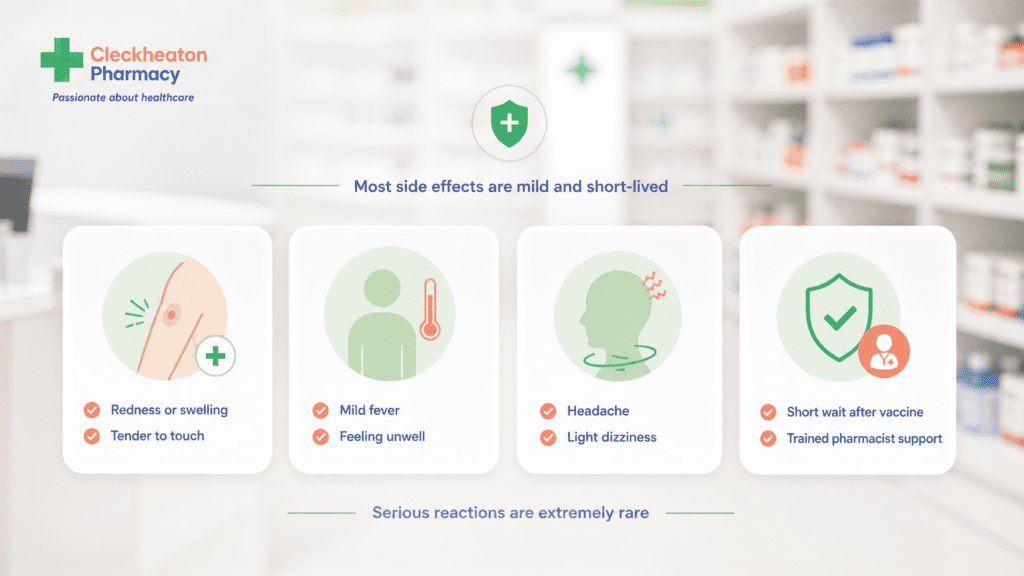
Most people experience only mild side effects from the pneumococcal vaccine. These usually clear up within a couple of days and may include:
- Redness, swelling, or soreness at the injection site.
- A slightly high temperature.
- General tiredness or a headache.
If you feel unwell after your appointment, you can usually manage these symptoms with rest and over-the-counter pain relief. However, if you experience a severe allergic reaction (which is extremely rare), you should seek urgent medical help immediately by calling 999. For non-urgent concerns, you can contact NHS 111 or speak to our pharmacy team.
Getting Protected in Cleckheaton
Protecting the community is our passion. We often see patients coming in for their annual flu vaccination who are unaware that they are also eligible for the pneumococcal jab. In many cases, these can be administered at the same time, saving you an extra trip.
If you live in Cleckheaton, Bradford, Batley, Birkenshaw, Liversedge, Heckmondwike, or nearby areas, Cleckheaton Pharmacy can help you access trusted pharmacy advice and convenient local care.
Conclusion
The pneumococcal vaccine is a simple but life-saving intervention. By understanding your risk and taking proactive steps, you can significantly reduce the chance of developing severe pneumonia or meningitis. Whether you are over 65, managing a long-term condition, or looking after a young family, staying up to date with your vaccinations is one of the best things you can do for your health.
Don’t wait until winter to think about respiratory protection. Visit us at Cleckheaton Pharmacy today to discuss your eligibility or to book an appointment with our friendly, professional team.
Frequently Asked Questions
Can I have the pneumococcal vaccine at the same time as the flu jab?
Yes, it is usually safe to have the pneumococcal vaccine at the same time as the flu jab or the COVID-19 vaccine. Having them together is often more convenient for patients and does not affect how well the vaccines work. Our team at Cleckheaton Pharmacy can coordinate these appointments to ensure you receive comprehensive protection in one visit.
How often do I need a pneumococcal vaccine?
Most adults over the age of 65 only need a single dose of the PPV vaccine for life-long protection. However, people with certain long-term health conditions, such as those without a working spleen or those with chronic kidney disease, may require a booster every five years. We can review your medical history to determine the best schedule for your needs.
Is the pneumococcal vaccine free on the NHS?
The pneumococcal vaccine is provided free of charge on the NHS for those in the high-risk categories, including babies, adults aged 65 and over, and individuals with specific underlying health conditions. If you do not fall into these groups but still wish to be protected, you may be able to access the vaccine through a private pneumococcal vaccination pharmacy service.
Who should not have the pneumococcal vaccine?
Most people can safely receive the vaccine, including those who are pregnant or breastfeeding. You should not have the vaccine if you have previously had a severe allergic reaction to a pneumococcal jab or any of its ingredients. If you are currently feeling very unwell with a high temperature, it is usually best to wait until you have recovered before getting vaccinated.