
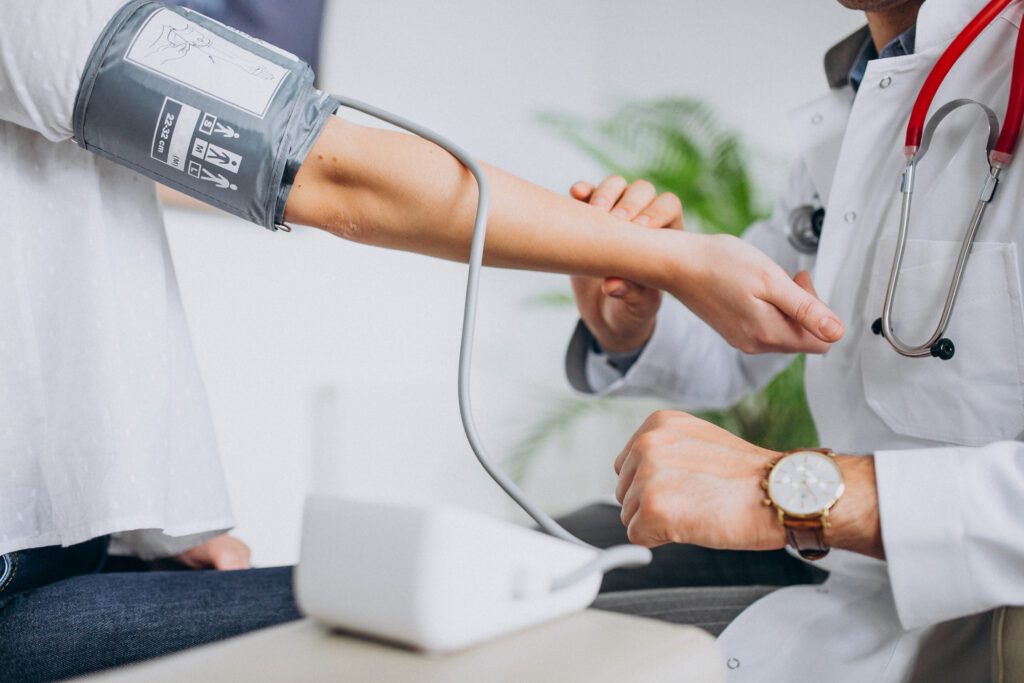
| TL;DR Hypertension often has no symptoms but can lead to stroke, heart attack, and kidney disease. The hypertension case finding pharmacy service helps detect high blood pressure early. Free NHS blood pressure checks are available without a GP appointment. The process takes under 10 minutes with immediate results. Early detection allows simple lifestyle changes or treatment to reduce risk. |
High blood pressure is one of the most common yet overlooked health conditions in the UK. Because it rarely causes noticeable symptoms, many people live with it for years without knowing, while silent damage continues to affect the heart, blood vessels, and vital organs.
This is why the hypertension case finding pharmacy service is so important. At Cleckheaton Pharmacy, you can access a free NHS blood pressure check quickly and conveniently, giving you clear insight into your health and helping you take early action before serious complications develop.
What Is Hypertension Case-Finding in a Pharmacy?
Hypertension case-finding is an NHS-led initiative aimed at identifying people with undiagnosed high blood pressure in community settings such as pharmacies.
Rather than waiting for symptoms or GP visits, pharmacists actively offer blood pressure checks to eligible individuals. This proactive approach increases early diagnosis and reduces long-term health risks.
What makes this service effective:
- Easily accessible without appointments
- Delivered by trained healthcare professionals
- Immediate explanation of results
- Direct referral pathway to GP services if required
This model ensures more people are screened before complications arise.
Why High Blood Pressure Is Often Missed
One of the main reasons hypertension is underdiagnosed is the lack of symptoms. Unlike many conditions, high blood pressure does not usually cause discomfort or visible signs.
Common misconceptions:
- Feeling healthy means blood pressure is normal
- Only older adults are at risk
- Symptoms such as headaches always appear
In reality, many people only discover they have hypertension after a routine check or a serious health event. This highlights the importance of regular screening.
The Long-Term Impact of Untreated Hypertension
When left unmanaged, high blood pressure gradually damages the body.
Effects on the body:
Heart
- Increased workload leads to thickened heart muscle
- Higher risk of heart failure
Brain
- Increased risk of stroke
- Potential for vascular dementia
Kidneys
- Reduced ability to filter waste effectively
- Risk of chronic kidney disease
Eyes
- Damage to blood vessels can affect vision
These complications often develop over years, making early detection essential.
Understanding Your Blood Pressure Numbers in Detail
Blood pressure readings provide insight into how your cardiovascular system is functioning.
What the numbers represent:
- Systolic pressure reflects the force during heart contraction
- Diastolic pressure reflects the pressure between beats
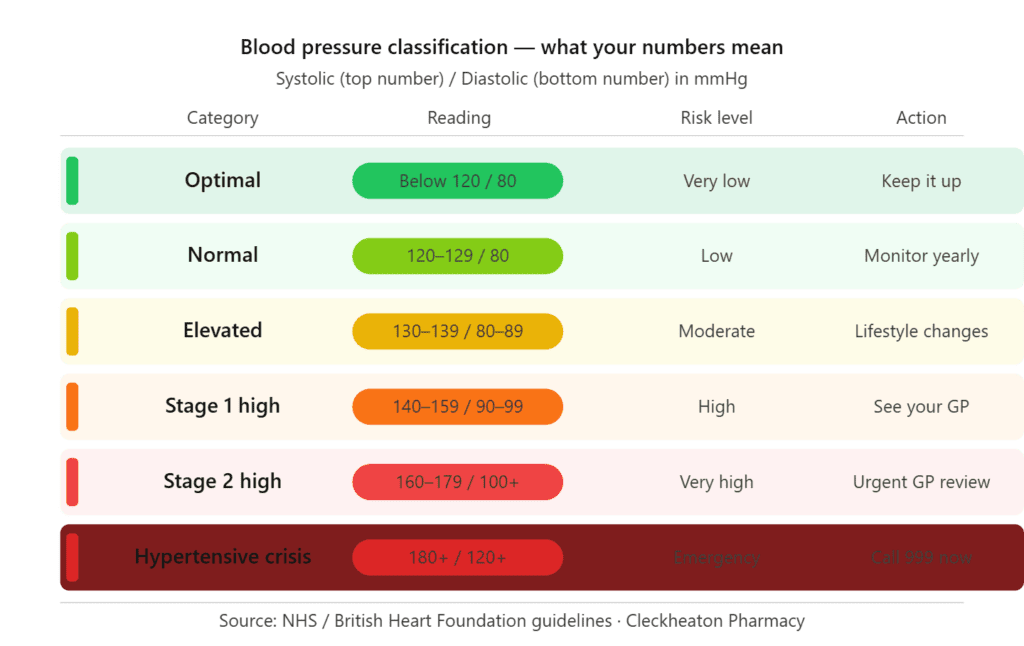
Blood pressure categories explained:
| Category | Systolic | Diastolic | Meaning |
| Optimal | <120 | <80 | Ideal range |
| Normal | 120–129 | <80 | Acceptable but monitor |
| Elevated | 130–139 | 80–89 | Increased risk |
| Stage 1 | 140–159 | 90–99 | Requires attention |
| Stage 2 | 160–179 | 100+ | High risk |
| Crisis | 180+ | 120+ | Emergency |
Your pharmacist will interpret these numbers alongside your medical history.
Why Pharmacies Are Changing Preventive Healthcare
Pharmacies are now a key part of early detection and prevention in the NHS.
Key advantages:
- No waiting time for routine checks
- Convenient locations within communities
- Regular contact with patients
- Ability to provide ongoing support
This accessibility makes pharmacies ideal for identifying conditions like hypertension early.
Step-by-Step: What Happens During Your Check
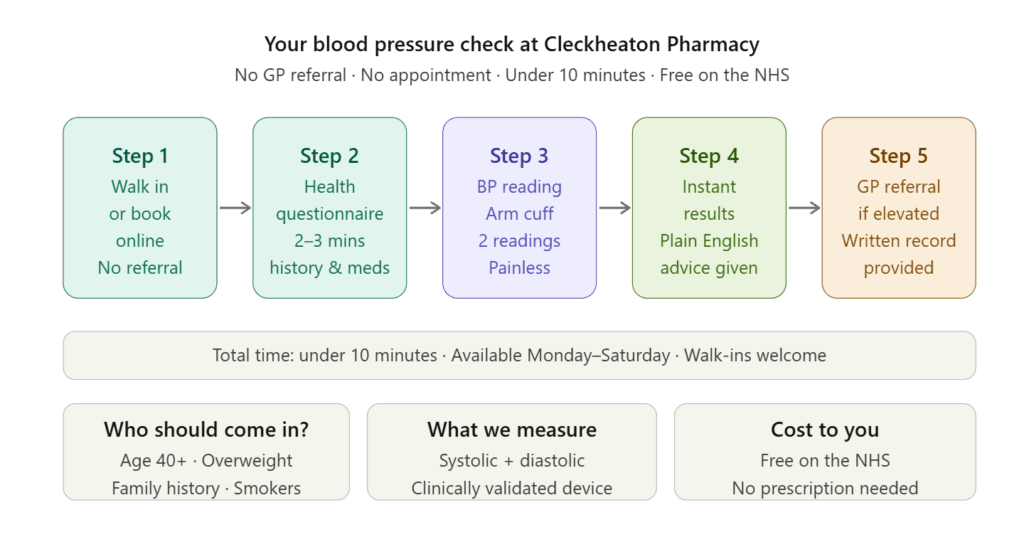
The process is designed to be simple, quick, and reassuring, with each step focused on giving you clear and accurate information about your health.
Arrival at the pharmacy
You can either walk into the pharmacy at your convenience or book a slot online if you prefer a set time. There is no need for a GP referral, and the process is designed to fit easily into your day without long waiting times.
Discussion about health and lifestyle
Before the check, the pharmacist will ask a few simple questions about your medical history, current medications, and lifestyle habits such as diet, exercise, smoking, or alcohol intake. This helps provide context for your reading and ensures more personalised advice.
Blood pressure measurement using a cuff
A blood pressure cuff is placed around your upper arm. It gently inflates to measure the pressure in your arteries. The process may feel slightly tight for a few seconds, but it is completely safe and painless.
Multiple readings for accuracy
To ensure reliable results, the pharmacist may take two or more readings, usually a few minutes apart. This helps reduce the chance of temporary factors, such as stress or movement, affecting the outcome.
Advice or referral if required
If your blood pressure is higher than expected, the pharmacist will guide you on next steps. This may include lifestyle advice, repeat checks, or a referral to your GP for further investigation. You will also receive a record of your readings to share if needed.
The entire process usually takes less than ten minutes and gives you valuable insight into your cardiovascular health.
Who Should Prioritise a Blood Pressure Check
While everyone can benefit, certain groups are at higher risk.
Higher-risk individuals:
- Adults aged 40 and above
- People with family history of hypertension
- Individuals who are overweight
- Smokers or regular alcohol consumers
- People with diabetes or kidney conditions
Lifestyle-related risk factors:
- Poor diet high in salt
- Low physical activity
- Chronic stress
- Poor sleep patterns
Regular checks help identify risk early.
Lifestyle Changes That Can Lower Blood Pressure
Simple changes can have a significant impact on blood pressure levels.
Reduce salt intake
- Aim for less than 6 grams per day
- Avoid processed and packaged foods
Improve diet quality
- Increase fruit and vegetable intake
- Choose whole grains and lean proteins
Increase physical activity
- At least 150 minutes per week
- Activities such as walking, cycling, or swimming
Limit alcohol consumption
- Stay within recommended weekly limits
Stop smoking
- Reduces cardiovascular risk significantly
Manage stress
- Techniques such as mindfulness and relaxation
These changes support both prevention and management.
What Happens After a High Reading
If your blood pressure is elevated, your pharmacist will guide you through next steps.
Possible follow-up actions:
- Repeat checks over time
- Home monitoring
- 24-hour ambulatory monitoring
- GP referral for diagnosis
Early intervention can prevent long-term complications.
Ongoing Support From Your Pharmacy
Pharmacies provide more than just testing.
Continued support includes:
- Regular monitoring
- Medication advice
- Lifestyle counselling
- Smoking cessation programmes
- Weight management support
This ongoing care helps maintain healthy blood pressure levels.
When to Seek Urgent Medical Attention
Certain symptoms combined with very high blood pressure require immediate care.
Seek emergency help if you experience:
- Severe chest pain
- Sudden severe headache
- Difficulty breathing
- Vision disturbances
Prompt treatment is essential in these situations.
Conclusion
Hypertension remains one of the leading causes of preventable illness, yet it is often undetected until complications arise. The hypertension case finding pharmacy service offers a simple, accessible way to identify high blood pressure early and take action before serious damage occurs.
Taking a few minutes to check your blood pressure could make a meaningful difference to your long-term health. Your local pharmacy provides a convenient and trusted starting point for prevention, helping you stay informed, supported, and in control of your wellbeing.
FAQs
What is a hypertension case finding?
Hypertension case finding is an NHS service where pharmacies check blood pressure to identify undiagnosed hypertension early, helping prevent serious conditions like stroke, heart disease, and kidney damage.
What can pharmacists do to improve hypertension diagnosis and treatment?
Pharmacists provide accessible blood pressure checks, early detection, lifestyle advice, medication reviews, and GP referrals, helping patients manage hypertension effectively and improving overall diagnosis and treatment outcomes.
Who is eligible for hypertension case finding service?
Adults aged 40 and over without a previous hypertension diagnosis are typically eligible, though anyone concerned about their blood pressure can request a check at participating pharmacies.
Can blood pressure medicine save your life?
Yes, blood pressure medication reduces strain on the heart and arteries, significantly lowering the risk of stroke, heart attack, and other life-threatening complications when taken as prescribed.