
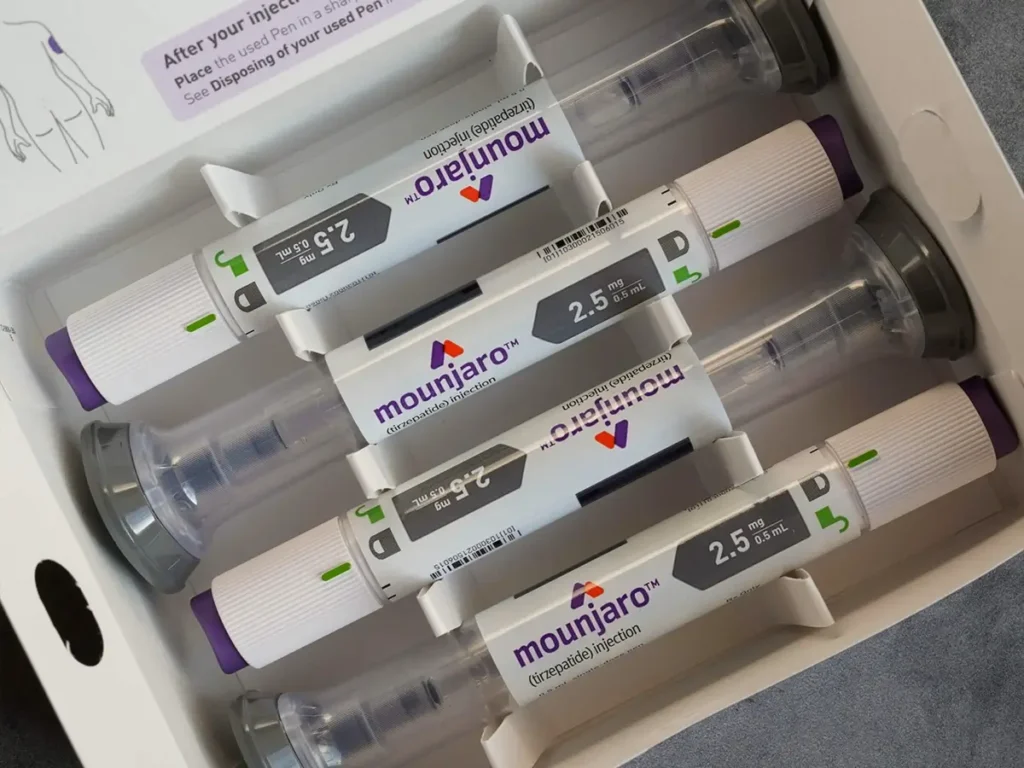
Mounjaro has rapidly become one of the most clinically significant treatments available in the UK for both type 2 diabetes and long-term weight management. As understanding of obesity evolves, treatments like tirzepatide are transforming how healthcare professionals approach metabolic health.
At Cleckheaton Pharmacy, we provide clinically supervised weight loss services designed to support patients at every stage of their journey. Our approach combines safe prescribing, personalised dose management, and ongoing professional guidance to ensure treatment is both effective and appropriate for each individual. Mounjaro is offered as part of a regulated, patient-focused programme with full medical assessment and continuous support.
This comprehensive guide explains how Mounjaro works, who it is suitable for, what to expect during treatment, and how to use it safely and effectively.
What Is Mounjaro?
Mounjaro is the brand name for tirzepatide, a once-weekly injectable medication developed by Eli Lilly. It was first approved for the treatment of type 2 diabetes and has since received regulatory approval in the UK for chronic weight management in adults with obesity or overweight.
What makes Mounjaro different from other injectable treatments is its dual mechanism of action. It is classified as a dual GIP and GLP-1 receptor agonist, meaning it activates two hormone receptors simultaneously rather than one. This dual action contributes to its strong clinical outcomes.
Mounjaro is administered as a subcutaneous injection once per week. It comes in pre-filled auto-injector pens and is available in multiple dose strengths: 2.5mg, 5mg, 7.5mg, 10mg, 12.5mg, and 15mg.
How Does Mounjaro Work?
Mounjaro works by targeting two key hormone pathways involved in appetite and blood sugar regulation:
GLP-1 (glucagon-like peptide-1)
This hormone slows gastric emptying, increases satiety, stimulates insulin release, and reduces glucagon levels. It helps control blood sugar while reducing hunger.
GIP (glucose-dependent insulinotropic polypeptide)
GIP enhances insulin secretion and plays a role in fat metabolism. When activated alongside GLP-1, it amplifies metabolic effects.
Together, these mechanisms reduce appetite, prolong fullness, stabilise blood glucose, and improve insulin sensitivity. This combination supports sustainable weight loss without the constant hunger often associated with dieting.
Mounjaro Uses: What Is It Approved For?
Mounjaro Uses for Diabetes
Mounjaro was initially developed and approved for the treatment of type 2 diabetes mellitus in adults. It is used alongside diet and exercise to improve blood sugar control. Clinical data from the SURPASS programme (a series of large phase 3 trials) showed tirzepatide reduced HbA1c levels by 1.87% to 2.07% at lower doses and by up to 2.58% at higher doses, consistently outperforming existing treatments, including semaglutide 1mg, dulaglutide, insulin glargine, and insulin degludec.
For people with type 2 diabetes, Mounjaro also offers meaningful secondary benefits, including reductions in body weight, blood pressure, and fasting plasma glucose, as well as improvements in lipid profiles.
Mounjaro Injection for Weight Loss
In the UK, Mounjaro has been approved for chronic weight management in adults who meet either of the following criteria:
- A BMI of 30 kg/m2 or above (classified as obese)
- A BMI of 27 kg/m2 or above with at least one weight-related health condition (such as high blood pressure, type 2 diabetes, or dyslipidaemia)
It is used alongside a reduced-calorie diet and increased physical activity, not as a standalone solution.
The SURMOUNT-1 trial enrolled 2,539 adults with obesity. Over 72 weeks, participants receiving tirzepatide 15mg lost an average of 22.5% of their body weight, and 91% of participants achieved at least 5% weight loss. Around 57% of those in the highest dose group lost 20% or more of their body weight.
Who Should Not Take Mounjaro?
Mounjaro is not suitable for everyone. It should not be used by individuals who have:
- A personal or family history of medullary thyroid carcinoma (MTC)
- Multiple Endocrine Neoplasia syndrome type 2 (MEN 2)
- A known hypersensitivity or allergy to tirzepatide or any ingredient in the formulation
- Type 1 diabetes (Mounjaro is not approved for this condition)
- Severe gastroparesis or other serious gastrointestinal disorders
Mounjaro is not currently recommended for use during pregnancy or breastfeeding. Women of childbearing age should use adequate contraception during treatment and for one month after stopping, as the medication may affect the absorption of oral contraceptives.
Caution is also advised in patients with:
- A history of pancreatitis
- Severe kidney or liver impairment
- Diabetic retinopathy (particularly those on insulin, due to the risk of rapid glycaemic improvement affecting the eyes)
A full medical assessment by a qualified prescriber is essential before starting Mounjaro to confirm that it is safe and appropriate for your individual circumstances.
Mounjaro for Weight Loss UK: Who Can Access It?
In the UK, Mounjaro for weight loss must be prescribed by a qualified clinician. It is not available over the counter. NHS access is currently limited, but it is available through registered private clinics and pharmacies, including Cleckheaton Pharmacy, which offers a structured, monitored programme.
Access through a private provider typically involves a medical consultation to assess your BMI, health history, any contraindications, and suitability for the medication. A responsible provider will not prescribe Mounjaro without a proper assessment.
Mounjaro Dosage Guide
The Standard Dosing Schedule
Mounjaro follows a structured dose escalation protocol. The reason for starting low and increasing gradually is to minimise gastrointestinal side effects and allow the body to adapt to the medication before reaching a therapeutic dose.
Mounjaro Dosing Schedule UK
| Week | Dose |
| Weeks 1 to 4 | 2.5mg once weekly |
| Weeks 5 to 8 | 5mg once weekly |
| Weeks 9 to 12 | 7.5mg once weekly |
| Weeks 13 to 16 | 10mg once weekly |
| Weeks 17 to 20 | 12.5mg once weekly (if required) |
| Week 21 onwards | 15mg once weekly (if required and tolerated) |
The 2.5mg starting dose is purely introductory and is not intended to produce maximum therapeutic benefit. For many patients, 5mg to 10mg is sufficient for strong, sustained weight loss. Not everyone needs to escalate to the highest doses. Dose increases should only happen under the supervision and guidance of your prescribing clinician.
How to Administer Mounjaro
Mounjaro is injected subcutaneously once a week. Suitable injection sites include the abdomen, upper thigh, or upper arm. You should rotate injection sites each week to avoid skin irritation. The day of the week can be changed if needed, provided there is at least three days between injections. The medication should be stored in the refrigerator and can be kept at room temperature for up to 21 days once removed.
Mounjaro Side Effects
Like all medications, Mounjaro can cause side effects. The majority of side effects are gastrointestinal, tend to be mild to moderate, and occur most commonly during the dose escalation phase rather than at a stable dose.
Common Side Effects of Mounjaro
The most frequently reported side effects include:
Nausea: This is the most commonly reported side effect, particularly during dose escalation. It generally reduces as the body adapts to the medication. Eating smaller meals and avoiding high-fat or spicy foods can help manage it.
Diarrhoea or constipation: Both can occur as the digestive system adjusts. Staying well hydrated and maintaining adequate fibre intake supports gut comfort.
Vomiting: Less common than nausea but reported in some patients, particularly when eating too quickly or consuming large portions.
Reduced appetite: Technically a desired effect for weight management, though some patients find the appetite reduction more pronounced than expected.
Abdominal discomfort: Bloating, fullness, or mild stomach pain may occur, particularly after eating.
Fatigue: Some patients report tiredness, especially in the early weeks of treatment.
Injection site reactions: Redness, swelling, or mild discomfort at the injection site are possible but generally mild and short-lived.
These common side effects were observed in the SURMOUNT-1 trial, where gastrointestinal events were the most frequently reported adverse events and occurred primarily during dose escalation. Only 4.3% to 7.1% of participants discontinued treatment due to adverse events, indicating that the majority of people tolerate the medication well over time.
Less Common Side Effects
Some patients report hair thinning, especially during periods of rapid weight loss. This is generally related to calorie restriction and nutritional changes rather than the medication itself, and typically resolves with time. Gallbladder-related events, including cholecystitis, were observed at low rates (under 0.6%) in clinical trials, consistent with findings in other obesity treatments and bariatric surgery.
Long-Term Side Effects of Mounjaro
Long-term safety data is still being accumulated given how recently the medication received approval for weight management. However, the SURMOUNT-4 trial, which extended treatment to 88 weeks, found that the side effect profile remained consistent with earlier findings. The most serious theoretical long-term concerns include potential effects on the thyroid gland (observed in rodent studies, though not confirmed in human trials) and gallbladder health. All patients on Mounjaro should be regularly monitored by a clinical professional.
When to Seek Medical Advice Urgently
You should contact a healthcare professional immediately if you experience symptoms of pancreatitis (severe abdominal pain that radiates to the back), signs of a serious allergic reaction (swelling of the face, lips or throat, difficulty breathing, severe rash), or symptoms of hypoglycaemia (shakiness, sweating, confusion) if you are also taking insulin or other diabetes medications.
Mounjaro and Long-Term Weight Management
One of the most important insights from the clinical trial data is that Mounjaro works best as an ongoing treatment rather than a short-term course. The SURMOUNT-4 findings confirm that when treatment is stopped, appetite typically returns to previous levels and weight regain follows. This does not reflect a failure of the medication or the patient. It reflects the chronic nature of obesity as a biological condition, which the NHS and major medical bodies now recognise as such.
For most patients, the most sustainable outcomes come from combining Mounjaro with realistic lifestyle adjustments around diet, sleep, and physical activity, along with ongoing clinical support and monitoring.
Is Mounjaro Better Than Other Weight Loss Injections?
The most common comparison is between Mounjaro (tirzepatide) and Wegovy (semaglutide). Both work on GLP-1 receptors, but Mounjaro additionally activates GIP, giving it a broader metabolic effect. Head-to-head clinical trial data from the SURMOUNT-5 trial showed that tirzepatide produced greater average weight loss than semaglutide. However, individual response, tolerability, and medical history all play a role in determining the best option for any given person.
Your prescribing clinician is best placed to advise on which medication is most appropriate for your specific situation.
Conclusion
Mounjaro represents a genuine step forward in the clinical management of obesity and type 2 diabetes. The combination of robust trial evidence, a manageable side effect profile, and results that compare favourably with surgical interventions make it one of the most significant developments in metabolic medicine in decades.
If you are considering whether Mounjaro is right for you, the most important first step is speaking with a qualified clinician who can assess your suitability, guide your dosing, and support you throughout treatment.
At Cleckheaton Pharmacy, our team provides regulated, personalised Mounjaro prescribing as part of a fully supported weight loss programme. We believe effective treatment starts with proper clinical care, not just a prescription.
FAQs
Is Mounjaro safe?
Yes, Mounjaro has been approved for use in the UK following extensive clinical trials involving thousands of participants. Side effects are mostly mild and gastrointestinal in nature, occurring primarily during dose escalation. As with any prescription medication, it must be assessed and monitored by a qualified clinician to ensure it is appropriate for you.
How effective is Mounjaro?
Mounjaro is one of the most effective weight loss medications currently available. Clinical trials show average weight loss of 15% to 22.5% of body weight over 72 weeks, with some patients losing 25% or more with extended treatment. Results depend on dose, consistency, and lifestyle factors.
Who should not take Mounjaro?
Mounjaro should not be taken by people with a personal or family history of medullary thyroid carcinoma, Multiple Endocrine Neoplasia type 2, type 1 diabetes, known allergy to tirzepatide, or severe gastrointestinal conditions. Pregnancy and breastfeeding are also contraindications. A full medical assessment is essential before starting.
Can I take Mounjaro if I do not have diabetes?
Yes. Mounjaro is approved in the UK for chronic weight management in adults with obesity or overweight with at least one weight-related health condition, regardless of whether they have diabetes.
How do I get Mounjaro in the UK?
Mounjaro requires a prescription from a qualified clinician. It is available through private providers including pharmacies such as Cleckheaton Pharmacy, which offer structured weight loss programmes with proper clinical oversight.
How long does it take to see results with Mounjaro?
Appetite changes can begin within the first one to two weeks. Visible weight loss typically becomes apparent from around weeks four to eight. The most significant body transformation tends to occur between three and six months.