
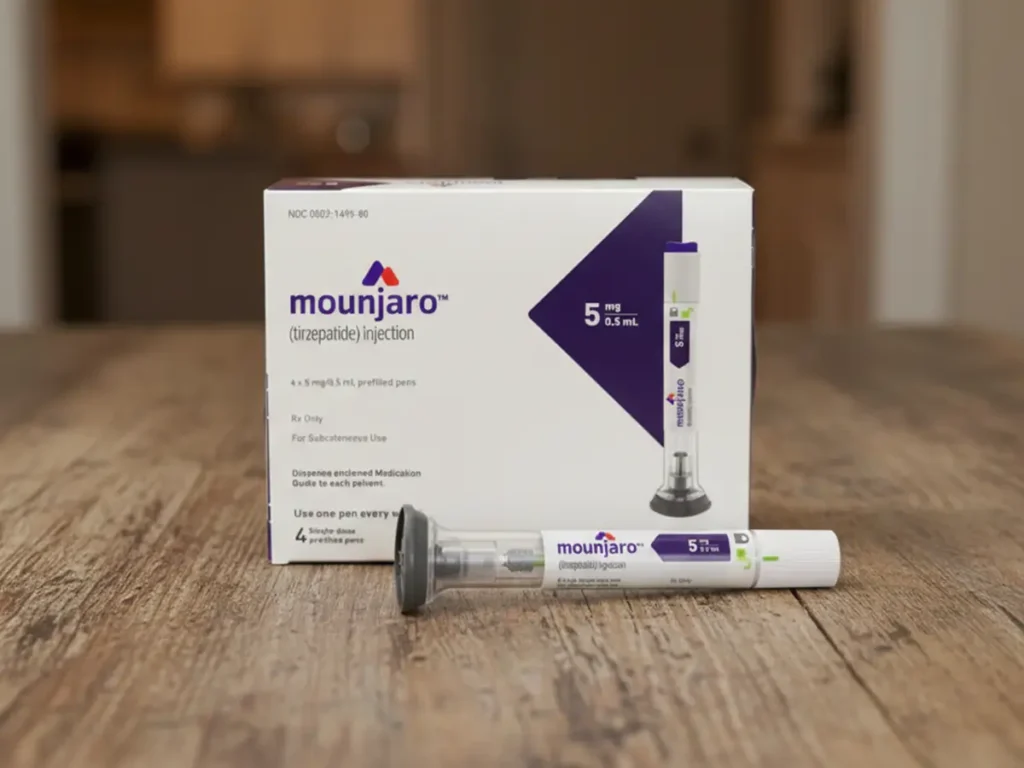
Mounjaro has emerged as a highly effective treatment for weight management and glycaemic control. As its use continues to increase, a key concern among patients is not only the effectiveness of the medication but the duration and nature of its adverse effects. Understanding the Mounjaro side effects timeline is essential for setting realistic expectations.
The side effects associated with Mounjaro are largely predictable and are closely linked to its mechanism of action. At Cleckheaton Pharmacy, we routinely support patients through this adjustment phase with structured clinical guidance and ongoing monitoring.
Understanding Mounjaro Side Effects
Mounjaro is a dual glucose-dependent insulinotropic polypeptide and glucagon-like peptide-1 receptor agonist. Its therapeutic effects are achieved through delayed gastric emptying, enhanced satiety signalling, and modulation of glucose metabolism. These physiological effects explain why gastrointestinal symptoms are the most commonly reported adverse events.
Key characteristics of Mounjaro side effects include: they are most prominent during treatment initiation and dose escalation; they typically reduce in frequency and severity over time; they rarely require treatment discontinuation; and they can often be managed with appropriate dietary and behavioural adjustments.
Get expert clinical support, personalised guidance, and structured monitoring throughout your Mounjaro treatment at Cleckheaton Pharmacy.
Mounjaro Side Effects Timeline
Understanding the Mounjaro side effects timeline provides a structured way to anticipate how symptoms may develop and resolve. Side effects generally follow a consistent pattern of onset, peak, and gradual improvement at each dose level.
Weeks 1 to 4: Mounjaro 2.5mg Side Effects
The initial four weeks involve the 2.5mg dose, which is specifically designed to allow gradual physiological adaptation. Mounjaro 2.5mg side effects are typically the mildest experienced throughout treatment. Common symptoms include reduced appetite, mild nausea, early satiety after small meals, and minor changes in bowel habits such as constipation or loose stools. Symptoms usually begin within 24 to 48 hours of the first injection, peak within the first few days, and begin to settle within one to two weeks.
A proportion of patients may experience minimal or no side effects at this stage, while others may notice mild discomfort. The presence or absence of symptoms at this dose does not reliably predict treatment effectiveness.
Weeks 5 to 8: Mounjaro 5mg Side Effects
After the initial four weeks, the dose increases to 5mg once weekly, the first therapeutic dose, commonly associated with a noticeable increase in side effects. Mounjaro 5mg side effects may include nausea, diarrhoea, occasional vomiting, and abdominal discomfort. These typically peak within one to two weeks, then gradually improve. By the end of week eight, most patients report a significant reduction in severity.
Weeks 9 to 20: Higher Dose Side Effects
As treatment progresses to 7.5mg and 10mg, each dose escalation may trigger a temporary recurrence of gastrointestinal symptoms. According to the SURMOUNT-1 clinical trial, a 72-week phase 3 study published in the New England Journal of Medicine involving over 2,500 participants, gastrointestinal side effects were the most commonly reported adverse events and were generally mild to moderate in severity. These effects are short-lived: onset typically occurs within a few days of dose increase, peaks during the first one to two weeks, and gradually improves over the following weeks.
When Do Mounjaro Side Effects Stop?
For most patients, symptoms are most noticeable during the first one to two weeks after starting or increasing the dose. Significant reduction or resolution is typically seen by four to six weeks at a stable dose.
By the time a maintenance dose has been consistent for several weeks, most side effects are either minimal or completely resolved.
Mounjaro Side Effects: First Week
The first week experience is an important stage in treatment, as it sets expectations for the overall adjustment period. During this time, patients may experience reduced appetite, mild nausea, a feeling of prolonged fullness after eating, changes in bowel habits, and occasional fatigue.
These effects are generally mild and transient, reflecting the body’s initial response to the medication rather than a long-term intolerance.
How Long Does Mounjaro Nausea Last?
Nausea is the most frequently reported adverse effect and is often the primary concern for patients. Onset occurs within 24 to 48 hours after injection. Peak intensity is usually reached between days two and four. Symptoms tend to improve by days five to seven.
With continued treatment, nausea becomes less pronounced with each subsequent dose. By four to six weeks at a stable dose, nausea is often reduced to a mild or occasional symptom or resolves completely. This pattern is well supported by evidence from the SURMOUNT clinical trial programme, which consistently demonstrated that gastrointestinal adverse events decreased in frequency as participants progressed through treatment.
Our clinical team provides ongoing monitoring, dietary advice, and dose management every step of the way.
Severe Side Effects of Mounjaro
Although most side effects are mild, it is important to recognise those that require prompt medical attention. These include:
- Severe and persistent abdominal pain, which may indicate pancreatitis
- Signs of dehydration or reduced urine output, which may indicate kidney complications
- Allergic reactions such as swelling, breathing difficulty, or rash; severe upper abdominal pain with fever, which may indicate gallbladder issues
- Neck swelling or difficulty swallowing, which requires evaluation for thyroid concerns.
Any severe or persistent symptoms should be assessed by a healthcare professional without delay.
Mounjaro Long-Term Side Effects
Mounjaro’s long-term side effects generally improve rather than worsen over time. Gastrointestinal symptoms decrease markedly after the dose escalation phase, and long-term tolerability is favourable for most patients. No significant new safety concerns have emerged in extended follow-up data from the broader SURMOUNT programme.
The SURMOUNT-4 trial followed participants for up to 88 weeks and confirmed that the overall safety profile remained consistent with earlier phases, with gastrointestinal events continuing to be mild to moderate and manageable throughout.
A small number of patients may experience ongoing mild symptoms, but these are usually manageable and do not interfere with treatment continuation.
How to Reduce Mounjaro Side Effects
Dietary adjustments play a central role: eat smaller, more frequent meals, avoid high-fat and fried foods, choose easily digestible foods during symptomatic periods, and stop eating when comfortably full.
Hydration is essential: aim for consistent fluid intake throughout the day, use oral rehydration solutions if needed, and limit caffeine and alcohol.
Managing nausea specifically: take injections at a time that minimises disruption to your daily routine, remain upright after meals, try ginger-based remedies, and avoid strong food odours during symptomatic periods.
General tips include rotating injection sites, maintaining a consistent weekly dosing schedule, avoiding overeating even when appetite permits, and allowing adequate time for adaptation before increasing the dose.
Are Side Effects Worse at Higher Doses?
Side effects are dose-dependent, meaning a higher proportion of patients may experience them at higher doses. However, this does not mean they are more severe or longer-lasting. In many cases, the body adapts more efficiently over time, symptoms become shorter in duration, and tolerability improves despite higher doses.
Data from the SURMOUNT-3 trial, published in Nature Medicine, supports this, noting that the safety profile of tirzepatide at maximum tolerated doses remained consistent with prior phases of the programme. Dose escalation should always be guided by clinical response and tolerability.
Should You Stop Mounjaro Due to Side Effects?
Continuation is generally appropriate when symptoms are mild to moderate, there is a gradual improvement over time, and daily functioning is not significantly affected.
Clinical review is recommended when symptoms persist beyond four to six weeks, there is a significant impact on nutrition or hydration, or side effects are severe or worsening. Individualised dose adjustment or alternative treatment options may be considered where necessary.
Conclusion
Understanding the Mounjaro side effects timeline, adopting effective management strategies, and maintaining regular communication with a healthcare professional are key to optimising both tolerability and outcomes.
At Cleckheaton Pharmacy, patients receive personalised support throughout their Mounjaro journey, including guidance on managing side effects, dietary and lifestyle advice, and dose monitoring informed by the evidence base established across the SURMOUNT clinical trial series. This structured approach helps patients navigate the initial adjustment period confidently, ensuring sustained clinical benefits while minimising discomfort.
FAQs
When do Mounjaro side effects stop?
For most patients, side effects at each dose level tend to reduce significantly within two to four weeks of dose stabilisation. Symptoms generally follow a consistent pattern: onset within 24 to 48 hours of injection, peak within the first few days, and gradual resolution.
How long does Mounjaro nausea last?
Nausea is the most commonly reported side effect of Mounjaro. It typically begins within 24 to 48 hours of injection, peaks around two to four days, and improves by days five to seven. Most patients find it resolves completely or reduces to a mild, occasional sensation after four to six weeks at a stable dose.
Are Mounjaro 2.5mg side effects worse than higher doses?
No. The 2.5mg starting dose is specifically designed to allow the body to adjust gradually, and side effects at this level are usually the mildest of the entire treatment course. Higher doses may increase the likelihood of gastrointestinal events, but patients are typically better adapted to tolerability by the time they reach those doses.
Do side effects mean Mounjaro is working?
Experiencing side effects is not required for Mounjaro to be effective. Some patients achieve excellent weight loss and glycaemic control with minimal side effects.
Can I take anything to reduce Mounjaro side effects?
Yes. Evidence-based strategies include eating smaller, more frequent meals, avoiding high-fat and heavily processed foods, maintaining adequate hydration, and using ginger-based remedies for nausea. Always consult a pharmacist or healthcare provider before adding new treatments.
Are side effects worse at higher doses?
Side effects are dose-dependent, meaning a larger proportion of patients may experience them at higher doses. However, most side effects are brief and manageable, and tolerability often improves as the body adapts over time. Dose escalation should be personalised based on symptom severity and treatment goals.
What should I do if side effects persist?
If side effects continue beyond four to six weeks at a stable dose, or significantly affect nutrition, hydration, or daily functioning, a structured clinical review is recommended. Adjustments may include pausing treatment, extending time at the current dose, or switching to an alternative therapy under professional guidance.
Are there any long-term side effects of Mounjaro?
Long-term trial and post-marketing data show that gastrointestinal tolerability improves significantly after the initial dose escalation. No major new safety signals have been identified, but ongoing monitoring with a healthcare professional is advised to address any unexpected symptoms.
How can Cleckheaton Pharmacy help with Mounjaro side effects?
Cleckheaton Pharmacy provides personalised guidance at every stage of treatment, including dose monitoring, symptom management, dietary and hydration advice, and support for nausea or other adverse effects.